

Background and strategic drivers
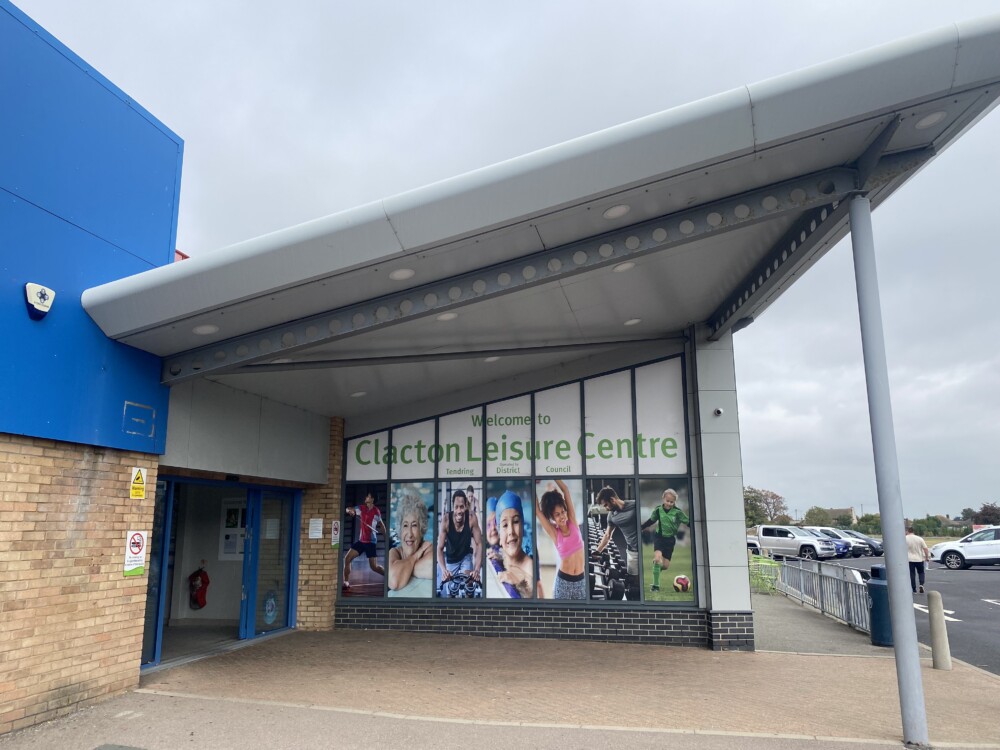
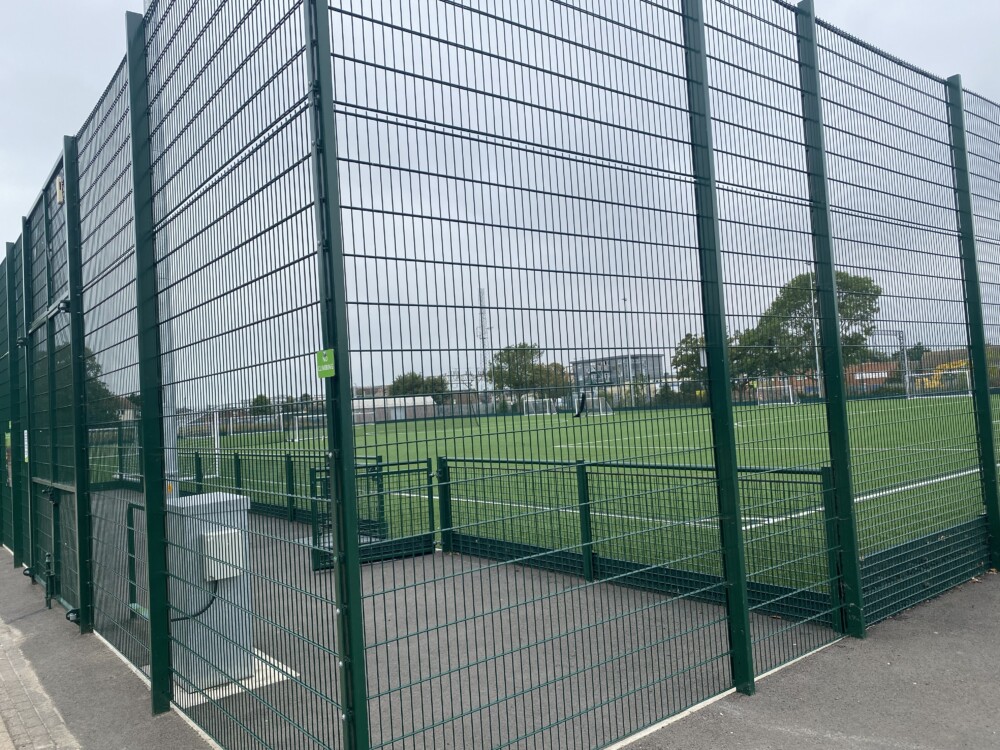
SLC, working alongside associates DB3 Architecture and cost consultants Press & Starkey, were appointed by Tendring District Council to undertake a feasibility study to redevelop Clacton Leisure Centre into an Active Wellbeing Centre (AWC).
The Council had recently developed a new Sport and Physical Activity Strategy which set out a clear aspiration to shift the focus of its leisure services from traditional leisure towards wider active wellbeing. This included a commitment by the Council to explore the redevelopment of Clacton Leisure Centre into an Active Wellbeing Centre. One that would bring together health, primary care, sport, physical activity and community services within a single integrated, prevention-focused hub serving Clacton and the wider district.
The strategic case for the project is compelling. People living in Clacton experience poorer health, lower life expectancy, higher levels of deprivation, lower physical activity levels and greater demand on health services than regional and national comparators.
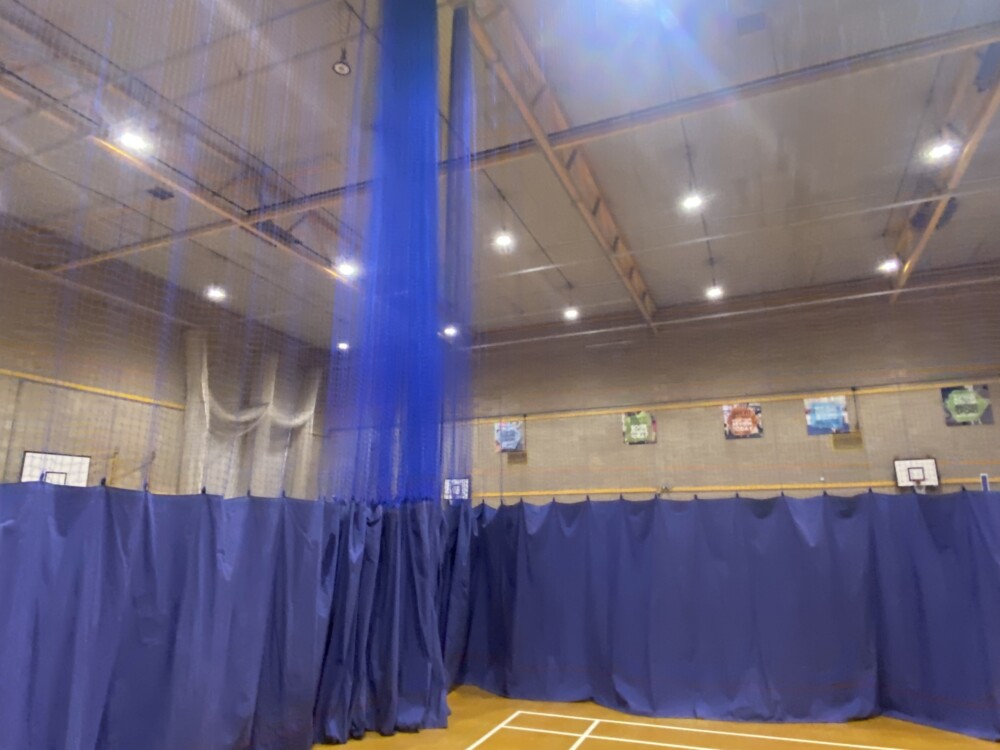
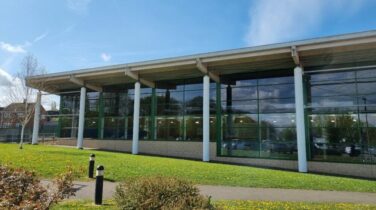
The existing Clacton Leisure Centre is nearly 40 years old and the original swimming pool was opened over 50 years ago. Although it remains a popular facility, it is struggling to meet the needs of a growing population and the modern expectations of users.
The project aligns with local, regional and national priorities, including the Council’s Sport and Activity Strategy, Sport England’s Future of Public Leisure agenda, Active Essex priorities, NHS prevention and neighbourhood health ambitions and Essex County Council’s health and wellbeing objectives.
Developing a shared vision
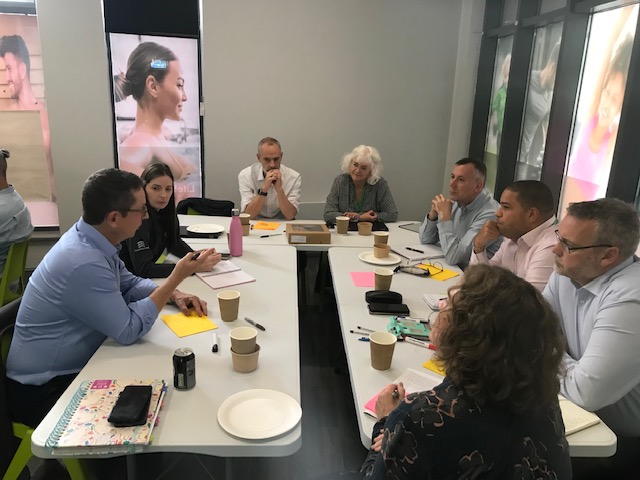
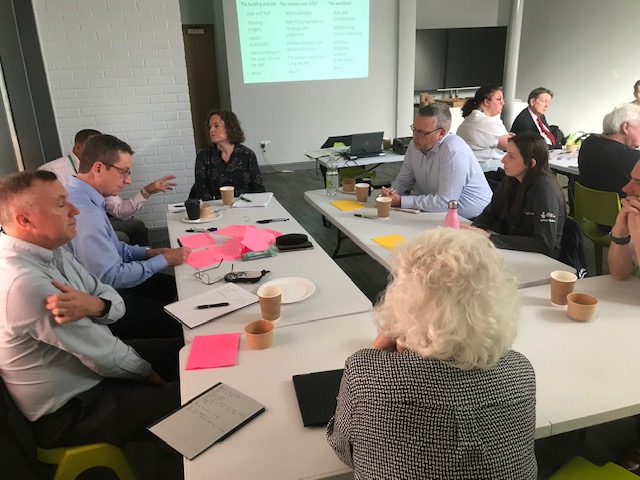
The project has been informed by engagement with stakeholder partners including NHS Essex Integrated Care Board, East Suffolk and North Essex NHS Foundation Trust, University of Essex, GP Primary Choice, Essex County Council, Department for Work and Pensions, Active Essex and Sport England.
This engagement demonstrated strong support for the emerging AWC vision. Partners recognise the need for innovation, collaboration, shared data and resources, flexible design, diverse programming and a skilled workforce. It secured collective support for an AWC which acts as a multi-service community hub. One which continues to meet the needs of the ‘active and engaged’ whilst enabling and supporting participation by those who would benefit most from becoming more active. Stakeholders also recognised that delivering the vision for the AWC will require new approaches to funding and service delivery and a willingness to challenge traditional boundaries.
Successful delivery will depend as much on the operational philosophy and delivery model as on the physical building itself. The AWC would need to operate as a shared system asset, supported by collaborative governance, flexible partner access, integrated service pathways and co-designed programmes. It would require a workforce with new skills in behaviour change, long-term conditions, inclusion, signposting, partnership working and community engagement.
Developing the design brief
SLC worked closely with the Council to develop a facility mix which would support an integrated approach through a combination of dedicated and shared leisure, wellbeing and community spaces. This was informed by further stakeholder engagement, an assessment of local demographic and health data, and a review of supply and demand evidence.
The Council wished to compare two potential development options:
- Option 1: New build – full replacement of the existing Clacton Leisure Centre based on an agreed facility mix, informed by evidence of need and partner engagement
- Option 2: Remodel – a substantial refurbishment / remodelling of the existing Clacton Leisure Centre which is able to deliver as much of the Option 1 brief as possible within the constraints of the existing building and site.
Concept designs, cost estimates and outline business plans were developed for both options. These outputs were then brought together and assessed using a structured options appraisal framework. Each option was appraised against a range of criteria, including strategic fit, viability, deliverability, sustainability and long-term service benefits.
The appraisal identified the new build option as the Council’s preferred option.
Design development
DB3 Architecture developed several design outputs based on the final agreed design brief for the new AWC, including:
- An accommodation schedule showing the specific spatial requirements for all areas within the facility
- Building layout plans providing a conceptual overview of the spatial configuration and relationships between activity areas and supporting accommodation
- A site masterplan illustrating the relationship between the indoor and outdoor facilities within the context of the overall site.
The building layout plans created a clear, welcoming customer journey, positioned key activity areas to have a strong visual presence, located more sensitive spaces away from high-noise areas and supported integrated working between leisure, health and community partners.
Press & Starkey developed budget cost estimates for the proposed facility development alongside delivery programmes to include detailed design, procurement and construction stages.
Establishing the business case
In supporting the Council to develop the outline business case for the AWC project, SLC considered three key factors:
- The service improvements and benefits that the new AWC will deliver in supporting the active wellbeing aspirations of the Council
- The projected revenue performance of the facility, including income generation, operating costs and the resulting operating surplus
- The extent to which the projected financial performance can help support the long term affordability of the scheme, based on capital financing scenarios and associated repayment requirements.
SLC developed a comprehensive 40-year business plan for the new AWC, projecting income and expenditure and taking account of likely changes over the life of the asset, to provide an indication of the ‘whole life’ cost of the facility.
SLC also developed three capital funding scenarios, each one reflecting a different balance between prudential borrowing and external funding. This helped to illustrate the financial implications for the Council over a 40-year period to help inform the future funding strategy for delivery of the project.
All of the key outputs from the feasibility study were pulled together into a comprehensive but easy-read report. As well as the core information on design, cost and business case, the report included important narrative on how an AWC differs from a traditional leisure centre and how it would be underpinned by a new operational philosophy that prioritises prevention, inclusion, integration, and partnership working across the wider system.
Next steps
The Council intends to use the feasibility study to support discussion with the emerging North East Essex Strategic Authority and key system partners as it explores opportunities to progress the project into the next stage of development.



TESTIMONIAL
“SLC were commissioned by Tendring District Council to produce a feasibility study to inform decision making around the development of a new Active Wellbeing Centre, in partnership with a range of organisations across the health system and wider public sector. We have been extremely impressed with both the quality and depth of work undertaken by the SLC team on our behalf, as well as their flexibility in adapting to a continually evolving local government landscape. The team took the time to understand our ambitions and local context, tailoring their approach expertly to our needs. Their ability to articulate our vision clearly, compellingly and in a way that resonated with partners and stakeholders was a particular strength. The study has provided us with a robust foundation for future decision making and stakeholder engagement, and we are delighted with the outcome.”
Mike Carran, Assistant Director, Sport, Culture and Leisure, Tendring District Council
MORE CASE STUDIES


Horsham District Council – Diagnostic support
Strategic Planning Support

Blackpool Council – Diagnostic support
Strategic Planning Support
Greater Manchester Chief Executives –
CV-19 A Moment to Pivot
Strategic Planning Support

Sheffield City Council – Leisure services transformation
Leisure Services Delivery Support

Chichester District Council – Leisure Procurement Support
Leisure Services Delivery Support

Westminster Seymour Centre – Feasibility support
Leisure Services Delivery Support

Worcester City Council – Review of agency model
Leisure Services Delivery Support
Cannock Chase District Council – Leisure Procurement Support
Leisure Services Delivery Support

Wyre Council – Leisure Procurement Support
Leisure Services Delivery Support